Why Treating the Pain Isn’t Enough
🎉 New Patient Special: Full exam + X-rays for only $29 — Marlboro, NJ
Book for $29 →When something hurts, our natural instinct is simple: fix the pain. Ice it, stretch it, massage it, or take medication to make it go away.
But in many cases, pain is only the symptom, not the true problem.
One of the most important principles in chiropractic care and movement-based rehab is understanding that the place you feel pain isn’t always the place that needs the most attention.
To create long-term relief and better movement, we have to look deeper.
Pain Often Shows Up Away From the Real Problem
The body works as a connected system. When one area isn’t moving or stabilizing properly, another area often has to compensate.
Over time, that compensation can lead to irritation, stiffness, and eventually pain.
For example:
- Shoulder pain may come from poor upper back mobility
- Knee pain can stem from weak or unstable hips
- Low back pain may be caused by restricted hips or a stiff mid-back
If we only treat the painful area, we may provide temporary relief — but the underlying issue remains.
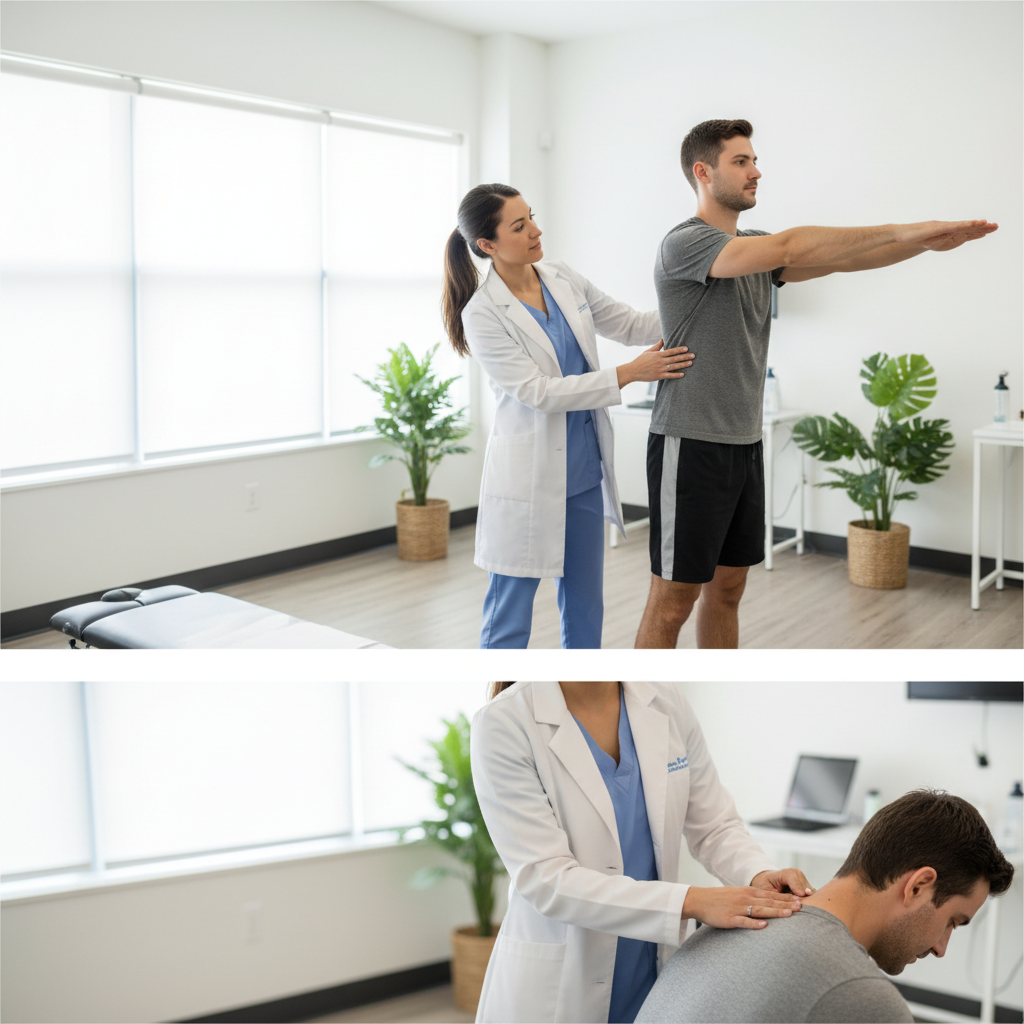
That’s why a full movement assessment is so important.
The Joint-by-Joint Model: Mobility vs. Stability
A helpful concept in understanding how the body functions is the joint-by-joint model, which looks at how different areas of the body are designed to alternate between mobility and stability.
In simple terms:
Region
Primary Need
Feet
Stability
Ankles
Mobility
Knees
Stability
Hips
Mobility
Low Back
Stability
Thoracic Spine (Mid-Back)
Mobility
Ready to Feel Better? Start for Just $29
Your first visit includes a full exam + X-rays for only $29. Same-day appointments available at our Marlboro, NJ clinic.
Shoulders
Mobility
Neck
Stability
When a joint that should move freely becomes stiff, the body often forces movement from the next joint up or down the chain.
That’s where problems begin.
Why Low Back Pain Often Starts Somewhere Else
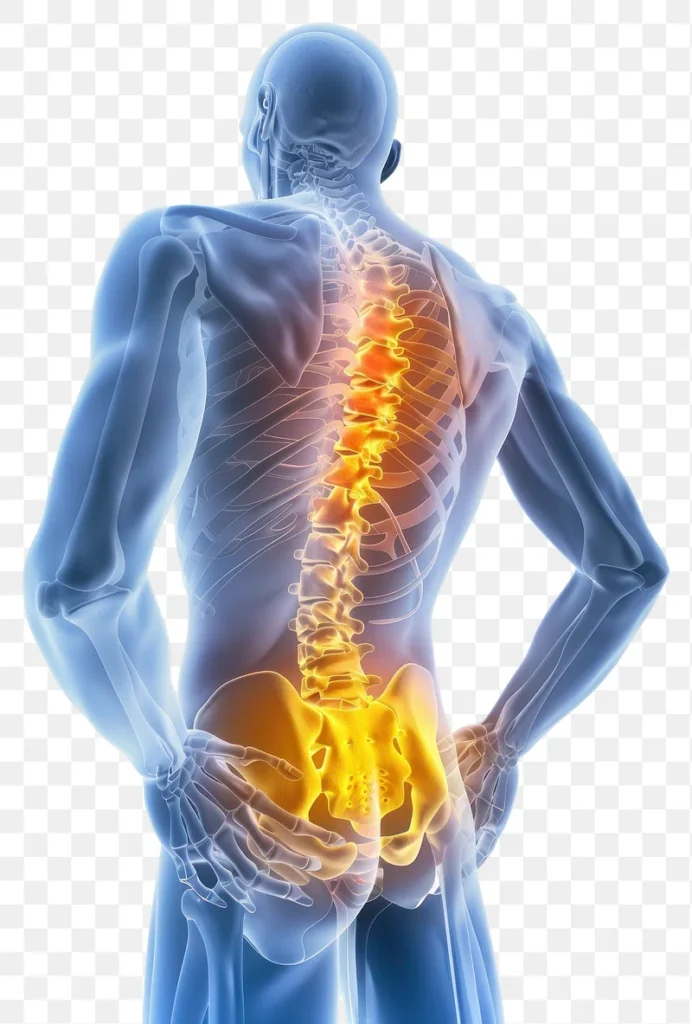
Low back pain is one of the most common complaints people experience, but the low back itself is typically designed more for stability than large amounts of movement.
When the hips lack mobility or the thoracic spine becomes stiff, the body often compensates by asking the low back to move more than it should.
Over time this can lead to:
- Muscle tightness
- Joint irritation
- Reduced movement quality
- Recurring back pain
In many cases, restoring movement in the hips or mid-back can significantly reduce the stress placed on the lower back.
Why Short-Term Relief Isn’t the Same as Long-Term Correction
Many treatments can reduce pain quickly — and that relief can be helpful.
But if the root cause isn’t addressed, symptoms often return.
This is where combining chiropractic adjustments with targeted rehabilitation exercises becomes extremely powerful.
Adjustments help by:
- Restoring joint motion
- Reducing stiffness
- Improving nervous system communication
- Decreasing irritation and pain
But movement is what keeps those improvements.
Rehab exercises help:
- Strengthen the muscles that support joints
- Improve stability where the body needs control
- Restore mobility where movement has been lost
- Retrain proper movement patterns
Think of it this way:
The adjustment resets the joint.
The exercises help the body keep it there.
Together, they create the best environment for long-term improvement.
A Better Approach to Movement and Pain
Instead of simply chasing symptoms, a more effective strategy is to:
- Identify the true source of the problem
- Restore proper joint movement with adjustments
- Reinforce the correction with targeted rehab exercises
- Improve overall movement patterns
This approach not only helps reduce pain — it helps prevent it from coming back.
We’re excited to bring this movement-focused approach to the community.
Opening soon — follow along for more tips on improving movement and preventing injuries before our doors open in April.
More helpful content on staying active, moving better, and keeping your body healthy is coming soon.