The 3 Phases of Recovery: Relief, Correction, and Resilience
🎉 New Patient Special: Full exam + X-rays for only $29 — Marlboro, NJ
Book for $29 →The Journey from Pain to Power: Understanding Recovery
In my years of clinical practice, I have seen many patients walk through the doors with the same primary goal: they want the pain to stop. Whether it is a sharp, stabbing sensation in the lower back after a weekend of yard work or a dull, persistent ache that has developed over months of commuting from Marlboro to the city, the desire for immediate relief is universal. However, as a chiropractor, my responsibility goes beyond simply silencing the alarm bells of your nervous system. My goal is to help you understand that healing is not an event—it is a process.
In our clinic, we view recovery through a specific framework: The Three Phases of Care. These are Relief, Correction, and Resilience. Understanding these phases is the difference between a temporary fix and a permanent transformation. When patients understand where they are in this journey, they become active participants in their own health, leading to significantly better clinical outcomes and a much lower risk of reinjury.
What Causes Back Pain to Become Chronic?
Before we dive into the phases, we must address why so many people in our New Jersey community suffer from recurring back issues. Often, back pain is the result of a cumulative effect. We call this the ‘straw that broke the camel’s back.’ It isn’t just one heavy box; it is years of poor posture, sedentary desk jobs, old sports injuries, and a lack of core stability. When the spine loses its proper alignment, or subluxation occurs, the surrounding muscles must overcompensate. This leads to inflammation, nerve irritation, and eventually, the pain that brings you into my office. If we only treat the pain, we ignore the structural and functional deficits that caused it in the first place.
Phase 1: Calming Pain and Inflammation (The Relief Phase)
The first phase of care is what I often call ‘putting out the fire.’ When you are in acute pain, your body is in a state of high alert. Inflammation is rampant, and your muscles are likely in protective spasms to prevent further injury. In this stage, our primary focus at HealthSource Chiropractic of Marlboro is to reduce your symptoms and get you back to basic functioning.
The Clinical Approach to Relief
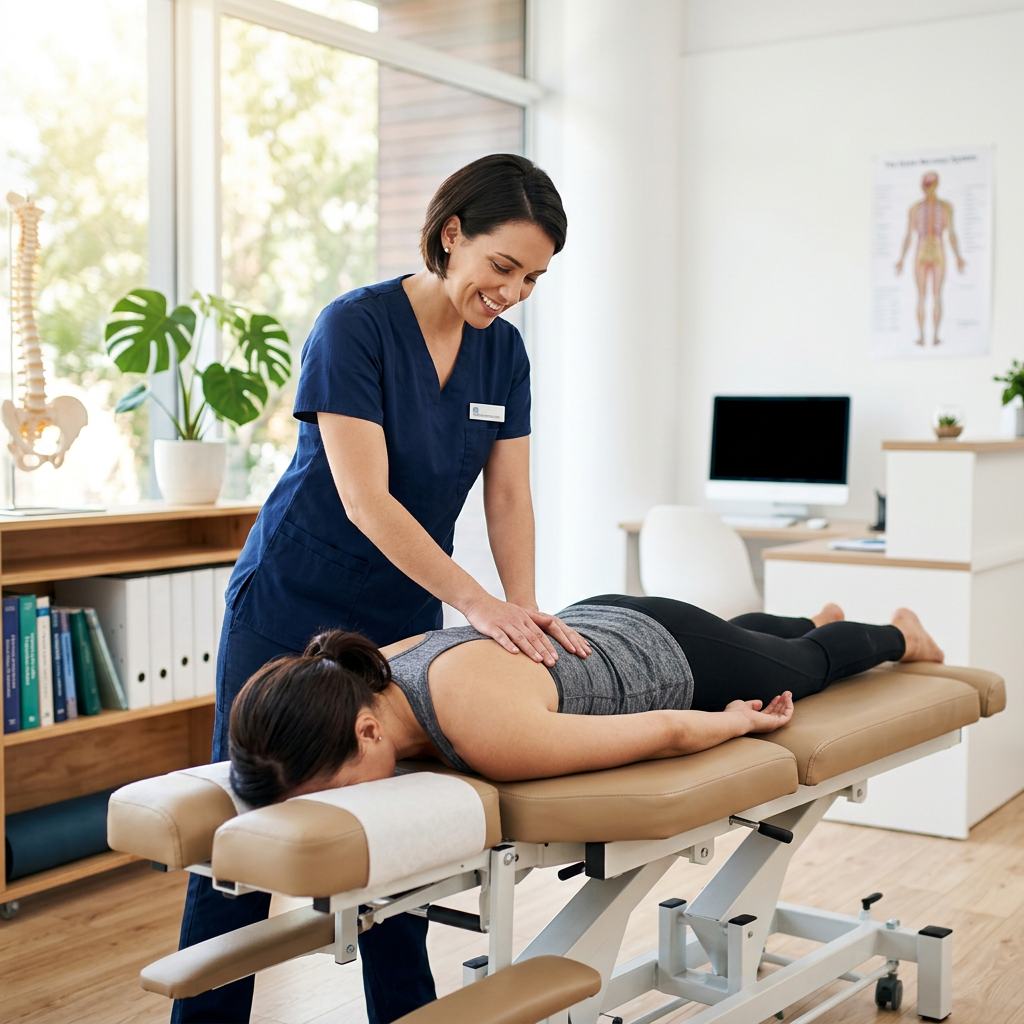
During this phase, treatments are more frequent. We utilize gentle chiropractic adjustments to restore motion to restricted joints, which helps to inhibit pain signals and reduce the chemical markers of inflammation. We may also employ supportive therapies such as electrical muscle stimulation, cryotherapy, or specialized soft tissue work to soothe the overactive muscles.
Clinical Insight: In Phase 1, the goal is not structural change yet; it is neurological and chemical regulation. We are teaching your nervous system that it is safe to move again.
Patients often ask how long this phase lasts. It varies depending on the severity of the condition, but usually, we see significant improvements within the first two to four weeks. The danger here, however, is the ‘false sense of security.’ Once the pain drops by 50 or 70 percent, many patients feel they are ‘cured.’ This is the most critical time to stay the course, as the underlying dysfunction is still very much present.
Phase 2: Correcting Movement Dysfunction (The Corrective Phase)
Once the ‘fire’ is out, we move into the most overlooked part of recovery: Correction. If Phase 1 was about how you feel, Phase 2 is about how you move. During this stage, we are working to correct the structural misalignments and muscular imbalances that led to the pain. Think of this like orthodontic work for your spine. Braces don’t fix teeth in a week; they require consistent, gentle pressure over time to reshape the foundation. Your spine is no different.
Addressing the Root Cause
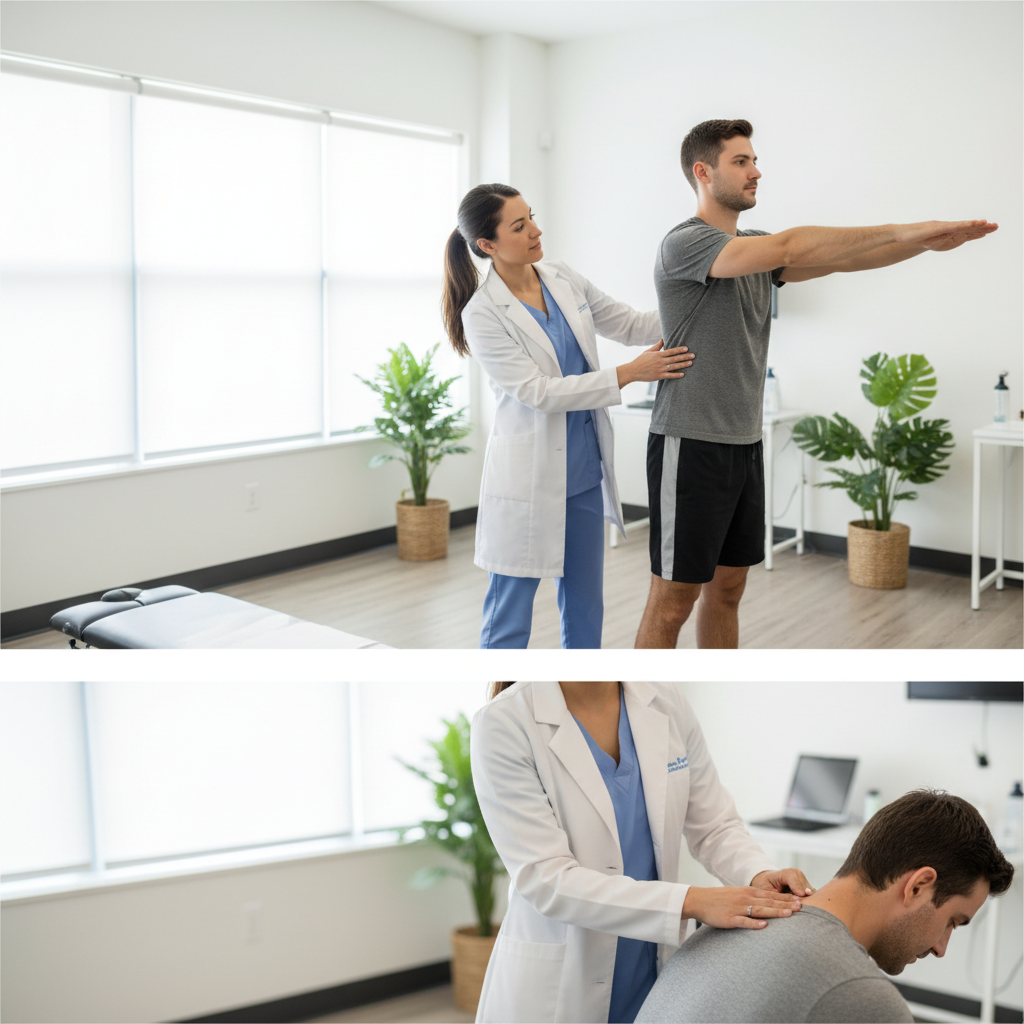
In the corrective phase, we focus on biomechanics. We look at how your hips, pelvis, and spine work together. For many of our Marlboro patients, this involves reversing the ‘hunch’ caused by hours at a computer or correcting a pelvic tilt from years of sitting. We begin introducing corrective exercises that are specifically designed to ‘re-train’ your muscles to hold your spine in the proper position. We aren’t just adjusting the bone; we are adjusting the habit.
Typical milestones in Phase 2 include:
- Increased range of motion in the spine and extremities.
- Improved postural awareness during daily activities.
- A significant reduction in the frequency of ‘flare-ups.’
- Better sleep quality as the body is no longer fighting constant tension.
Phase 3: Building Long-Term Stability (The Resilience Phase)
This is where we move from ‘healing’ to ‘thriving.’ The Resilience Phase, often referred to as Wellness or Maintenance Care, is about building a body that is ‘hard to break.’ At HealthSource Chiropractic of Marlboro, we want you to be able to enjoy everything our beautiful area has to offer—from hiking at Holmdel Park to playing a full 18 holes of golf—without the constant fear that your back might ‘go out.’
Developing Your ‘Spinal Armor’
In this phase, the frequency of office visits decreases, but the intensity of your functional strength increases. We focus on core stabilization, balance, and high-level movement patterns. This is where we ensure that your nervous system is fully integrated with your musculoskeletal system. Resilience means that when life throws a stressor at you—be it a long flight, a heavy lift, or emotional stress—your body has the capacity to handle it without reverting to a state of pain.
Ready to Feel Better? Start for Just $29
Your first visit includes a full exam + X-rays for only $29. Same-day appointments available at our Marlboro, NJ clinic.
Resilience is a lifestyle. It involves periodic ‘tune-ups’ to catch minor misalignments before they become major problems. It is much easier to maintain health than it is to regain it once it’s lost.
Why Skipping Steps Leads to Recurring Pain
The biggest mistake I see in clinical practice is the ‘Relief-Only’ trap. A patient comes in, gets three adjustments, feels great, and stops coming. Three months later, they are back in my office with the exact same injury, often worse than before. Why? Because they put out the fire but left the charred, unstable beams of the house standing. Without Phase 2 (Correction) and Phase 3 (Resilience), the body remains vulnerable. The muscles haven’t been retrained, and the joints haven’t stabilized. This creates a cycle of chronic recurrence that can eventually lead to permanent degenerative changes like disc herniations or osteoarthritis.
Actionable At-Home Tips for Your Recovery
While professional care is essential, what you do outside of my office matters just as much. Here are a few tips to support your journey through the three phases:
- Hydrate for Your Discs: Your spinal discs are mostly water. Staying hydrated keeps them pliable and shock-absorbent.
- The 20-Minute Rule: If you work at a desk, stand up and move every 20 minutes. Static posture is the enemy of spinal health.
- Gentle Walking: Unless you are in severe acute pain, walking is one of the best things you can do. It promotes blood flow and keeps the pelvic joints moving.
- Listen to Your Body: Pain is a signal, not the enemy. If an activity causes sharp pain, stop. But don’t fear movement entirely; fear improper movement.
Frequently Asked Questions
1. How do I know which phase I am currently in?
During your initial evaluation, we use physical exams and occasionally digital X-rays to determine your status. Generally, if you are experiencing daily pain that limits movement, you are in Phase 1. If you feel ‘okay’ but stiff or ‘off,’ you are likely ready for Phase 2.
2. Can I do my Phase 3 exercises while I am still in Phase 1?
Usually, no. Doing heavy strengthening exercises while your body is still inflamed can actually worsen the injury. We progress your ‘homework’ as your body demonstrates the stability to handle it.
3. Is chiropractic care safe for everyone in the family?
Absolutely. We adjust everyone from local Marlboro student-athletes to seniors. The techniques we use are tailored specifically to the age and physical condition of the patient.
4. How long does the Resilience Phase last?
Resilience is an ongoing goal. Many of our patients choose to come in once a month for a check-up indefinitely because they realize they feel better, perform better at work, and have more energy when their spine is aligned.
Your Path to a Pain-Free Life Starts Here
You don’t have to live with the ‘wait and see’ approach to back pain. Whether you are currently in the middle of a painful crisis or you are looking to optimize your physical performance, my team and I are here to guide you through the 3 Phases of Recovery. We take a results-oriented approach that focuses on long-term health, not just short-term fixes.
Book an initial evaluation at HealthSource Chiropractic of Marlboro today, and let’s identify exactly which phase your body needs to start with to reclaim your quality of life.