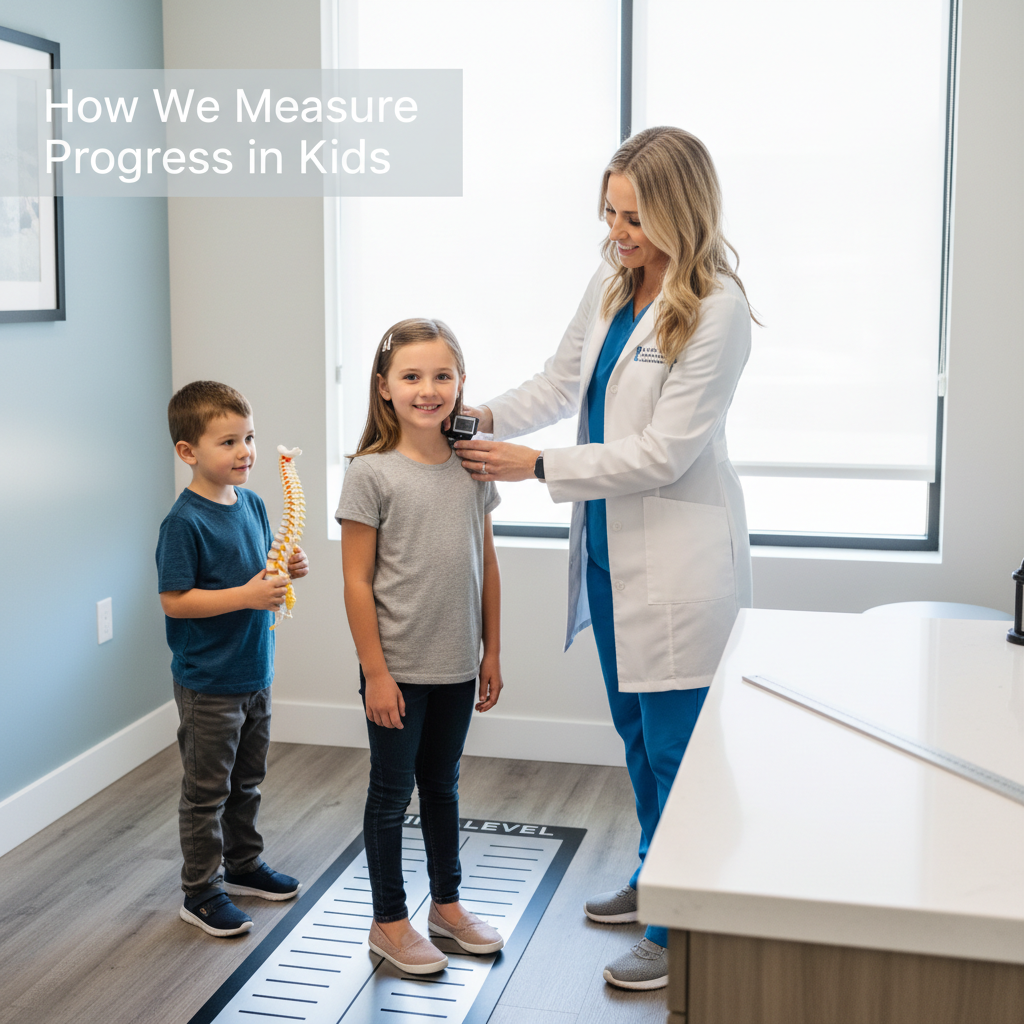
Milestones, Movement, and Spinal Development

🎉 New Patient Special: Full exam + X-rays for only $29 — Marlboro, NJ
Book for $29 →Why Your Child’s Movement Milestones Matter More Than You Think
As a chiropractor, I’ve had the privilege of working with families for years. Parents come to me with all kinds of questions — but one of the most meaningful conversations I have is with parents who notice something is just a little off with how their child moves. Maybe their toddler favors one side when crawling. Maybe their baby skipped crawling altogether. Maybe they’re two years old and still seem a little unsteady on their feet in a way that feels different from the typical toddler wobble.
These observations matter. The way children move during their earliest years isn’t just about hitting developmental checkboxes — it’s laying the neurological and structural foundation for spinal health, posture, and coordination that will follow them for life. In this post, I want to walk you through what healthy movement development looks like, what early warning signs to watch for, and how periodic chiropractic movement screenings can be one of the most proactive things you do for your child’s long-term wellbeing.
The Connection Between Movement Milestones and Spinal Development
The spine doesn’t develop in isolation. It develops in relationship with movement. From the moment a baby begins lifting their head during tummy time, they are activating deep stabilizing muscles and shaping the natural curves of the cervical, thoracic, and lumbar spine. Each developmental milestone — rolling, sitting, crawling, pulling to stand, and finally walking — builds upon the last, creating layers of neuromuscular coordination and spinal stability.
Crawling: The Milestone We Shouldn’t Skip
I can’t overstate the importance of crawling. It’s one of the most neurologically rich activities a child engages in during their first year of life. Crawling requires the brain and body to coordinate all four limbs in a cross-pattern movement — right arm with left leg, left arm with right leg — which actively develops the connection between the left and right hemispheres of the brain. It also builds critical strength in the core, shoulder girdle, hips, and the deep stabilizers of the spine.
When babies skip crawling and go straight to walking, I often see downstream effects: weaker core stability, less coordinated gait patterns, and sometimes early postural asymmetries. This doesn’t mean every child who skips crawling will have problems, but it’s a flag worth paying attention to and discussing with your pediatric care team.
Walking and the Emergence of Spinal Curves
The lumbar curve — that gentle inward curve in the lower back — doesn’t fully develop until a child begins bearing weight and walking upright. It’s a beautiful example of form following function. As toddlers find their footing and begin navigating the world on two legs, the spine adapts to support that vertical load. This is why the quality of a child’s early walking patterns matters. Persistent toe-walking, an asymmetrical stride, or frequent unexplained falls can all be signals that something in the spinal or neuromuscular system warrants a closer look.
Early Asymmetries in Movement: When to Pay Attention
One of the things I watch most carefully in my practice is asymmetry. Some degree of asymmetry is normal and expected during development — children are learning, and learning is messy. But persistent or pronounced asymmetry is different. Here are some signs that I encourage parents to take note of:
- Consistently turning the head to one side more than the other during the first few months of life (this can be a sign of torticollis or restricted cervical movement)
- Uneven crawling, where one arm or leg does the majority of the work
- One-sided weight bearing when sitting or pulling to stand
- A consistently asymmetrical smile, furrowed brow, or facial tension that parents describe as the baby always looking to one direction
- Scooting on the bottom rather than crawling, which can sometimes indicate discomfort in the hips or pelvis
- Toe-walking past the age of 2–3, which may involve tightness in the posterior chain or neurological factors worth evaluating
In my clinical experience, catching these asymmetries early — during infancy or toddlerhood — makes intervention far simpler and outcomes far better than addressing them years later when patterns are deeply ingrained.
The Role of Stability in Healthy Development
Before a child can move well, they need to stabilize well. Stability comes before mobility in the developmental hierarchy — and when the stabilizing system is underdeveloped or disrupted, compensatory movement patterns emerge. I see this regularly. A child who lacks proper core and hip stability will find other ways to get the job done. They’ll hike a hip, rotate a shoulder, or shift their weight asymmetrically. Over time, these compensations become habitual postures and movement strategies that can place uneven stress on the spine and joints.
From a chiropractic perspective, we look at the spine not just as a column of bones, but as the central axis of the entire movement system. When spinal segments are restricted or misaligned — even subtly — the nervous system’s ability to accurately sense and control movement can be affected. Gentle, specific chiropractic adjustments in children are designed to restore proper joint motion and support optimal nervous system communication, which in turn supports better movement and stability.
What a Pediatric Movement Screening Looks Like
Parents in Marlboro and throughout Monmouth County often ask me: What does a pediatric chiropractic visit actually involve? It’s a fair question, and I want to be transparent about what we do.
Ready to Feel Better? Start for Just $29
Your first visit includes a full exam + X-rays for only $29. Same-day appointments available at our Marlboro, NJ clinic.
A pediatric movement screening at HealthSource Chiropractic of Marlboro is gentle, thorough, and family-centered. I observe how your child moves — how they sit, stand, walk, reach, and turn. I perform a spinal assessment using light, age-appropriate palpation to identify areas of restricted motion or tension. I look at posture, gait, and overall neuromuscular coordination. There is no twisting, no forceful manipulation. Pediatric chiropractic care uses very light, precise contacts — often no more pressure than you’d use to test the ripeness of a tomato.
We’ll talk through what I find, answer your questions honestly, and discuss whether chiropractic care, a referral, or simply monitoring is the right next step for your child.
Practical Tips for Supporting Healthy Movement at Home
Whether or not you pursue a formal screening, there are meaningful things you can do at home to support your child’s spinal and movement development:
- Prioritize tummy time from early on — supervised tummy time builds cervical and thoracic strength that underpins all future milestones
- Limit time in bouncers, swings, and carriers that hold babies in a fixed position for extended periods — floor time is irreplaceable
- Encourage crawling even after walking begins — obstacle courses, tunnels, and floor play keep those cross-pattern movement patterns active
- Reduce screen time and encourage active, varied movement throughout the day
- Pay attention to shoe choice — flexible, minimal footwear allows for better proprioceptive feedback and foot development in young walkers
- Trust your instincts — if something about how your child moves doesn’t feel right, get it evaluated. Early intervention almost always beats watchful waiting when it comes to movement asymmetries
Frequently Asked Questions
Is chiropractic care safe for infants and toddlers?
Yes. Pediatric chiropractic adjustments are adapted specifically for a child’s size, weight, and developmental stage. The techniques used are extremely gentle — nothing like the adjustments adults receive. Research supports the safety and tolerability of pediatric chiropractic care when performed by a trained practitioner.
My baby skipped crawling and went straight to walking. Should I be worried?
Not necessarily, but it’s worth a conversation. Crawling builds important neurological and musculoskeletal foundations. I recommend a movement screening for children who skip crawling so we can assess whether any gaps in stability or coordination need to be addressed proactively.
At what age should I bring my child in for a movement screening?
There’s no age that’s too early. I see newborns, infants, toddlers, and school-aged children. Ideally, I’d love to check in at key developmental windows — around 3–4 months (when head control is developing), 6–9 months (crawling stage), and 12–18 months (walking stage). But any age is a good age to start if you have concerns.
How do I know if my child’s asymmetrical movement is just normal variation or something to address?
Duration and persistence are key. Brief periods of asymmetry as a child learns new skills are normal. Asymmetries that persist beyond a few weeks, or that seem to be increasing rather than resolving, deserve professional evaluation. When in doubt, come in — it’s always better to check and find nothing than to miss something important.
Can chiropractic care help with toe-walking?
It can be part of a comprehensive approach. Toe-walking has multiple potential causes, including neurological factors, muscle tightness, and habit. A thorough evaluation — potentially involving chiropractic, pediatric neurology, and physical therapy — is the right path. I work collaboratively with other providers in the Marlboro area to ensure children get the full picture of care they need.
Do I need a referral from my pediatrician to bring my child to HealthSource Chiropractic of Marlboro?
No referral is needed. You can call or book directly. I do encourage open communication with your child’s pediatrician and am always happy to coordinate care and share findings with your existing healthcare team.
Schedule a Pediatric Movement Screening in Marlboro, NJ
If something about your child’s movement has caught your attention — or if you simply want to be proactive about their spinal development — I’d love to see them here at HealthSource Chiropractic of Marlboro. A pediatric movement screening is one of the most valuable investments you can make in your child’s long-term health, and it starts with a single conversation.
Call our Marlboro, NJ office today or book online to schedule your child’s pediatric movement screening. Let’s give them the strongest possible foundation — from the very first crawl to the very first step and beyond.