
Why Your Exercises Aren’t Fixing Your Pain
🎉 New Patient Special: Full exam + X-rays for only $29 — Marlboro, NJ
Book for $29 →You’re committed to your workouts—you stretch, you stay active, and you do all the “right” things. So why does that nagging shoulder, hip, or low back pain keep coming back? The truth is, exercise alone doesn’t always address the root cause of pain.
Exercising Through Dysfunctional Movement Patterns
When your body moves in a less-than-optimal way—say, if your hips are tight or your shoulder blades don’t stabilize well—you start to compensate. Over time, these compensations become your new “normal,” and your workouts simply reinforce them. Instead of resolving the issue, every squat, press, or run keeps layering strength over dysfunction.
Overstretching Tight Areas Instead of Strengthening Weak Ones
One of the biggest misconceptions about pain is that it always means something is “tight.” Naturally, we try to stretch it out. But often, the tightness you feel is your body’s way of protecting a weak or unstable area. Constant stretching can make things worse if you’re not strengthening the muscles that actually need support.
Ready to Feel Better? Start for Just $29
Your first visit includes a full exam + X-rays for only $29. Same-day appointments available at our Marlboro, NJ clinic.
Why Pain Can Persist Despite Staying Active
Activity is essential for health, but movement alone isn’t the same as functional movement. If the underlying mechanics are off, even great workouts can aggravate the problem. Pain is your body’s signal that something isn’t moving as it should—it’s not about effort, it’s about efficiency and balance.
How Movement Assessments Reveal the True Cause
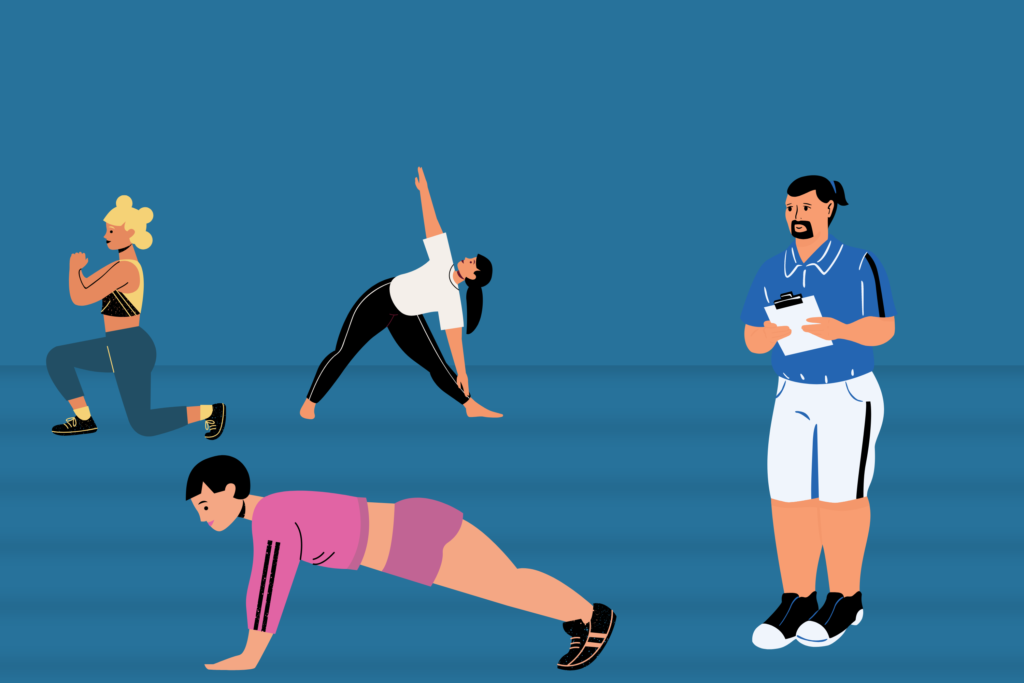
A professional movement assessment looks for asymmetries, joint restrictions, and compensations that contribute to chronic pain. It’s like getting a roadmap for how your body moves—so you can strengthen what’s weak, release what’s overworked, and finally find relief instead of just temporary fixes.
The Next Step
If your workouts keep aggravating the same area, it’s time to look deeper. Come in for a professional movement assessment to help identify the missing piece and guide you toward lasting, pain-free performance.