Why Pain-Free Doesn’t Always Mean Fully Corrected
🎉 New Patient Special: Full exam + X-rays for only $29 — Marlboro, NJ
Book for $29 →Feeling Better Is a Win — But It’s Not the Finish Line
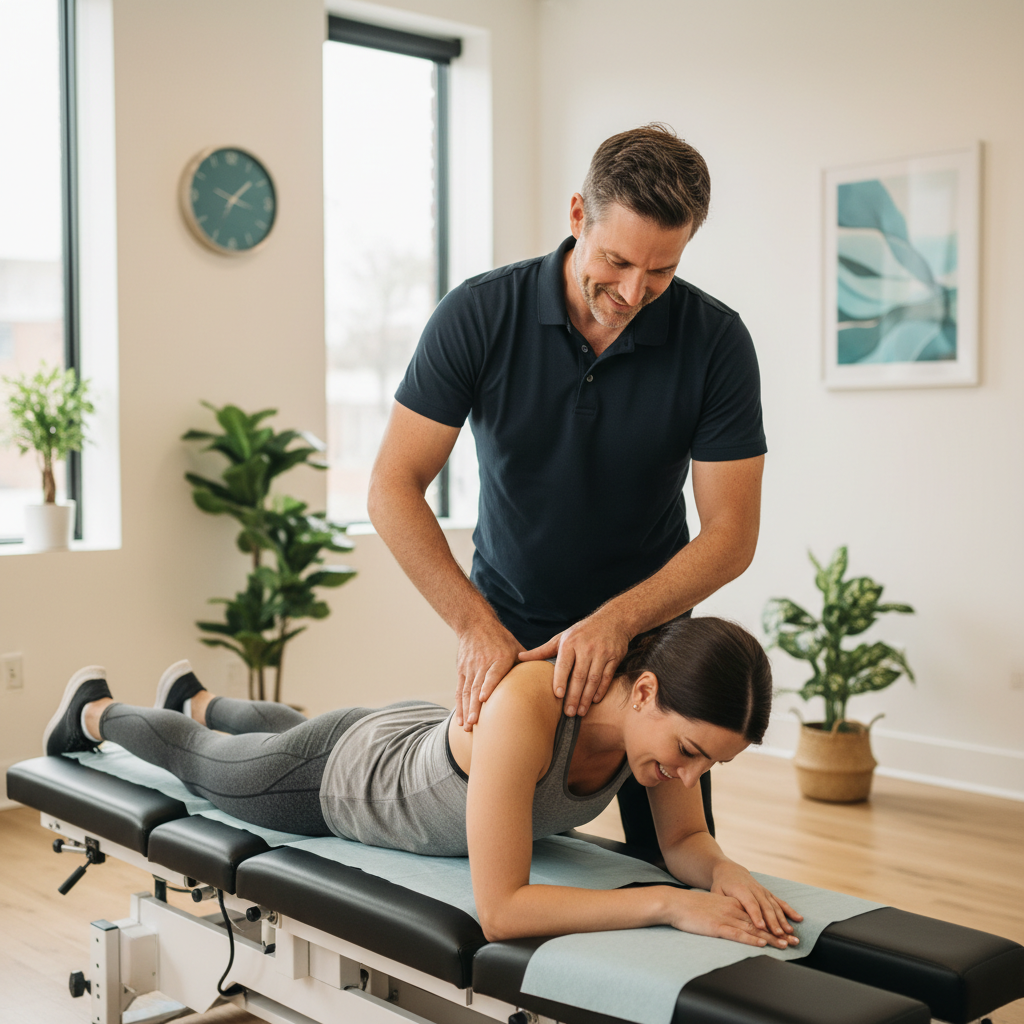
I’ve had this conversation hundreds of times. A patient comes in with nagging lower back pain, we get to work, and within a few weeks they’re feeling significantly better. They smile, they stand a little taller, and then they say the words I’ve learned to gently challenge: “I think I’m all good now, Doc.”
I understand the feeling completely. Pain is exhausting, and its absence feels like a victory. But after years of practicing chiropractic care at HealthSource Chiropractic of Marlboro, I’ve come to see one of the most common — and consequential — misunderstandings patients have about their recovery: pain-free does not always mean fully corrected.
In this post, I want to walk you through why that distinction matters, what’s actually happening inside your body when symptoms ease up, and what steps you should take to make sure your relief is lasting rather than temporary.
Why Symptoms Often Improve Before Stability Returns
Your nervous system is remarkably efficient at adapting. When you experience pain, your brain and body work together to reduce that signal — sometimes by altering how you move, sometimes by dampening the pain response itself. This is not a flaw; it’s survival. But it means that the reduction of pain can happen well before the underlying structural problem has been resolved.
Think of it this way: if you have a pebble in your shoe and you shift your weight to the outside of your foot, the pressure eases. You feel better. But the pebble is still there, and now your ankle, knee, and hip are compensating in ways that will cause their own problems over time.
In clinical terms, we call this symptomatic improvement without structural correction. The joints may still be misaligned, the surrounding muscles may still be weak and uncoordinated, and the connective tissues may not yet have remodeled to support healthy movement. But because the pain signal has quieted down, the urgency to continue care disappears.
What Happens in the Body During Early Recovery
During the first phase of chiropractic care, we’re primarily focused on reducing inflammation, restoring joint mobility, and interrupting pain cycles. This phase often produces noticeable results quickly — and that’s a good thing. But the deeper work of stabilization — training muscles to hold corrections, restoring proper movement patterns, and retraining the nervous system — takes considerably longer.
Research in rehabilitation science consistently shows that ligament and connective tissue healing occurs over weeks to months, not days. The pain receptors in those tissues may go quiet long before the tissue itself has fully remodeled and regained its tensile strength.
How Compensation Patterns Can Silently Return
One of the things I watch most closely in my patients is something I call compensation creep. When one part of the body isn’t functioning correctly, adjacent structures pick up the slack. Your hip flexors tighten to protect a vulnerable lumbar disc. Your upper trapezius overworks to compensate for a weak rotator cuff. Your gait shifts to offload a painful sacroiliac joint.
These compensation patterns are incredibly clever — but they’re also remarkably stubborn. Even after we’ve addressed the original problem, the body often defaults back to these old movement habits, especially under stress, fatigue, or during periods when care has been paused.
I see this regularly with patients in the Marlboro and Manalapan communities who lead active lifestyles — runners, weekend athletes, parents chasing toddlers around. They feel great, they resume full activity, and then six weeks later they’re back in my office with the familiar ache returning. Not because the chiropractic care didn’t work, but because the stability work wasn’t completed before they returned to full load.
Why Continued Strengthening Is Non-Negotiable
Chiropractic adjustments are a critical tool for restoring joint alignment and nervous system communication. But adjustments alone don’t build muscular endurance. They don’t retrain deep stabilizer muscles like the multifidus or the transverse abdominis. They don’t correct faulty movement patterns that have developed over years of poor posture or repetitive strain.
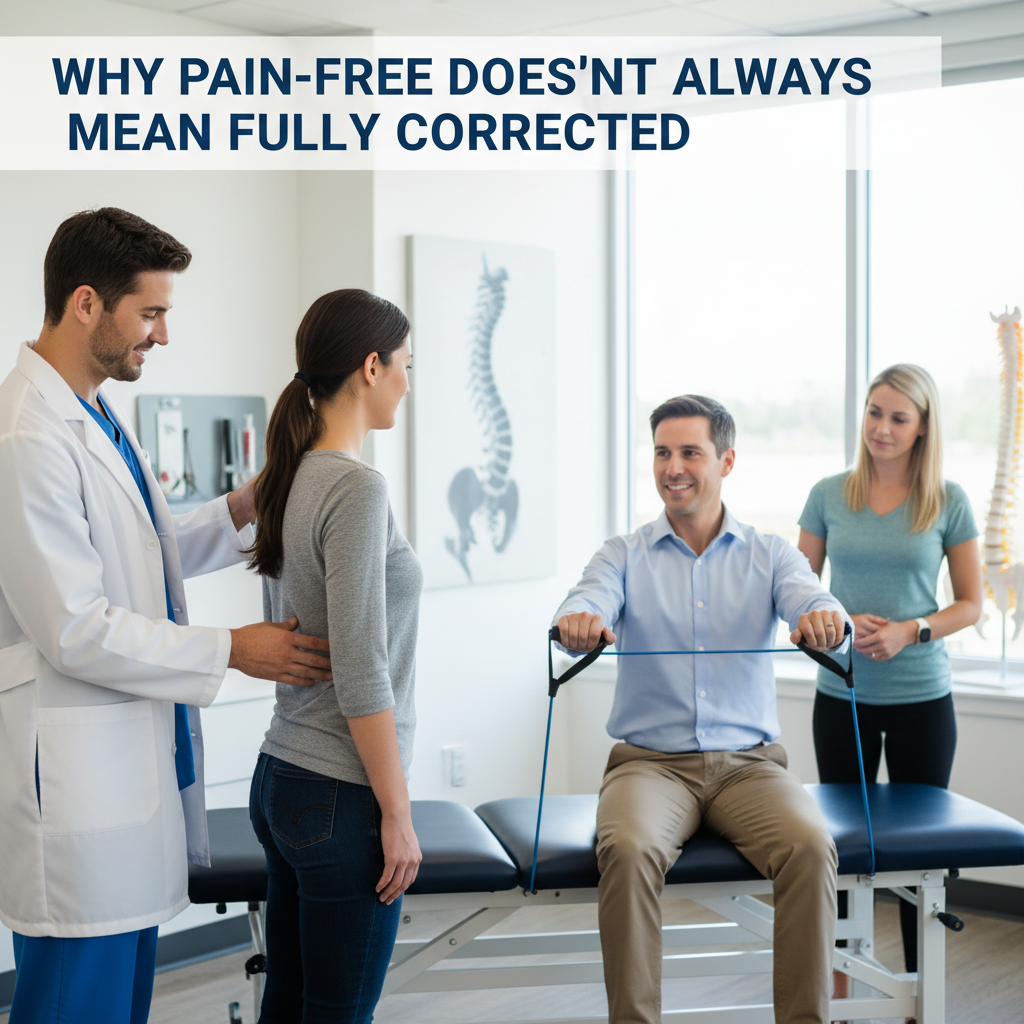
That’s why I integrate a corrective exercise component into nearly every patient’s care plan at HealthSource Chiropractic of Marlboro. The goal is to teach your body to maintain the corrections we make in the office — to build the neuromuscular infrastructure that keeps your spine stable between visits and long after care is complete.
Key Areas We Target in Strengthening Protocols
- Deep spinal stabilizers: The small muscles closest to the vertebrae that provide segmental support
- Hip and glute activation: Critical for reducing lumbar load during daily movement
- Scapular stabilizers: Essential for neck and upper back health, especially in desk workers
- Core coordination: Not just strength, but the timing and sequencing of muscle activation
The Role of Follow-Up Assessments in Long-Term Health
One of the most valuable things we do at our Marlboro clinic — and something I genuinely believe separates good chiropractic care from great chiropractic care — is objective reassessment. We don’t just ask patients how they feel. We measure.
Ready to Feel Better? Start for Just $29
Your first visit includes a full exam + X-rays for only $29. Same-day appointments available at our Marlboro, NJ clinic.
Follow-up assessments allow us to track changes in range of motion, postural alignment, muscle activation patterns, and movement quality over time. They give us data, not just symptom reports. And often, those assessments reveal areas of ongoing dysfunction that the patient isn’t yet feeling — dysfunction that, left unaddressed, will eventually become the next episode of pain.
Think of it like a dental check-up. You don’t wait until you have a toothache to see the dentist. You go in for regular assessments so small problems can be caught and corrected before they become serious ones.
“The goal of chiropractic care isn’t just to get you out of pain. It’s to help you function at a level where pain is far less likely to return.”
Actionable Steps You Can Take at Home
While professional care and reassessment are irreplaceable, there’s meaningful work you can do on your own between visits to support your recovery:
- Practice diaphragmatic breathing: Proper breathing mechanics directly support spinal stability and reduce tension in accessory muscles.
- Do your prescribed exercises consistently: Even 10–15 minutes daily of targeted corrective work compounds significantly over weeks and months.
- Pay attention to posture during transitions: How you move from sitting to standing, or how you bend to pick something up, matters more than most people realize.
- Prioritize sleep position: Side sleeping with a pillow between the knees, or back sleeping with support under the knees, reduces spinal stress during rest.
- Stay hydrated: Intervertebral discs are largely composed of water. Hydration directly affects disc health and spinal resilience.
- Don’t rush back to high-load activity: When symptoms resolve, resist the urge to immediately return to maximum intensity. Gradually
- reintroduce load while monitoring how your body responds.
Frequently Asked Questions
How do I know if I’m actually fully corrected, not just pain-free?
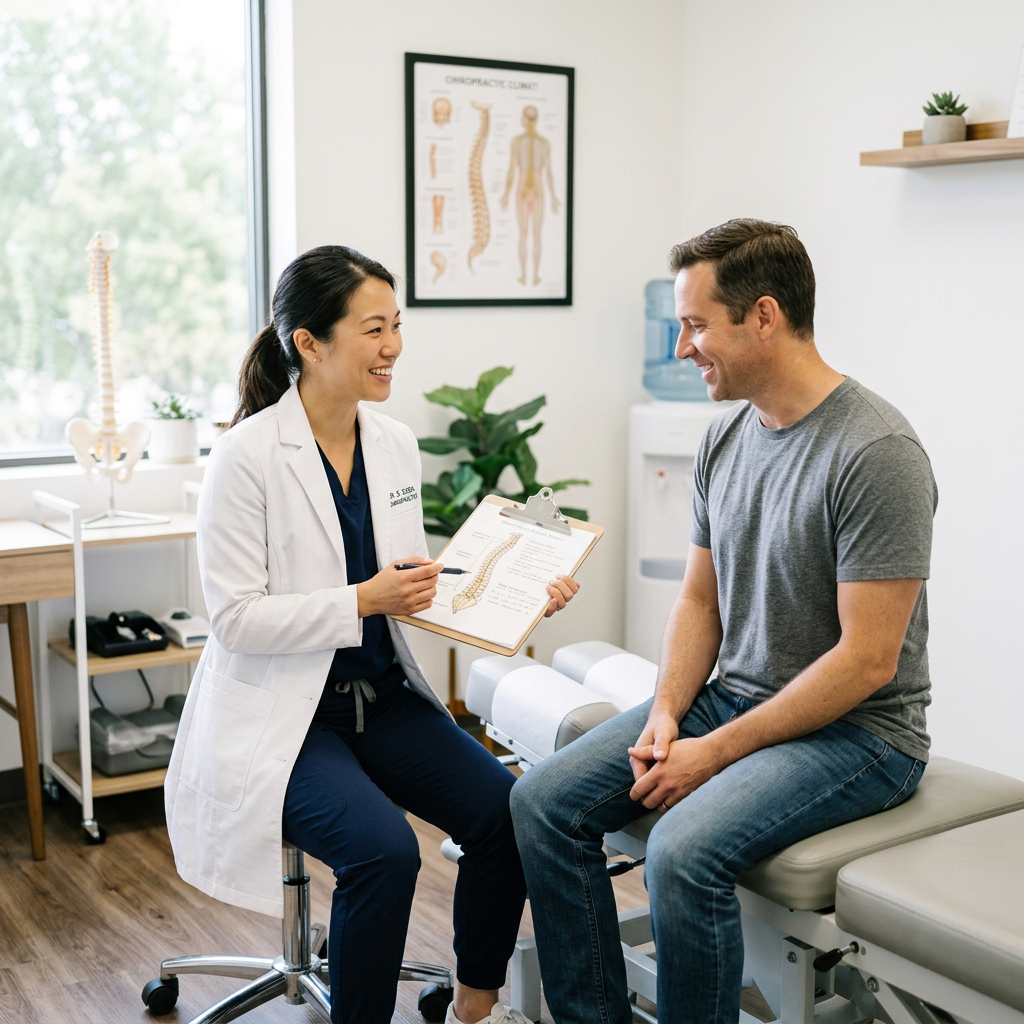
The best way to know is through objective reassessment. In our office, we use movement screens and postural analysis to evaluate function beyond just symptom reporting. If you feel pain-free but haven’t completed a formal reassessment, there may be underlying instability that hasn’t yet been identified.
Is it normal for pain to return after feeling better?
Unfortunately, yes — especially when care is stopped prematurely or when strengthening work hasn’t been completed. Recurring pain is often a sign that the compensation pattern or the original dysfunction was never fully resolved, not that the treatment failed.
How long does it actually take to fully correct a spinal problem?
This varies significantly based on the nature and duration of the problem, your age, activity level, and how consistently you engage with your care plan. Acute issues may stabilize in 4–8 weeks, while chronic or structural problems often require 3–6 months of consistent care and exercise before lasting correction is achieved.
Can I stop chiropractic care once I feel better?
You always have that choice, and I respect patient autonomy completely. However, I encourage patients to discuss the decision with me first so we can assess where you are in the correction process and create a safe transition plan — including home exercises to maintain progress.
What is a movement assessment and why is it important?
A movement assessment evaluates how your body moves through fundamental patterns — bending, rotating, reaching, squatting — to identify areas of restriction, asymmetry, or compensation. It’s one of the most revealing tools we have for understanding root causes of pain rather than just treating symptoms.
Does HealthSource Chiropractic of Marlboro offer wellness care after correction is complete?
Absolutely. Many of our patients transition to a maintenance or wellness schedule after completing their corrective care plan. Regular check-ins allow us to catch small issues early and keep your spine and nervous system functioning at their best long-term.
Ready to Find Out Where You Really Stand?
If you’ve experienced recurring pain — the kind that gets better for a while and then comes back — there’s a good chance the root cause has never fully been addressed. That’s not a failure. It’s an opportunity.
At HealthSource Chiropractic of Marlboro, I work with patients every day who are done settling for temporary relief. We dig deeper, we measure what matters, and we build a plan designed to create lasting correction — not just a quiet pain signal.
Schedule a movement assessment today and let’s find out not just how you feel, but how you’re actually functioning. Because you deserve more than pain-free. You deserve fully corrected.